Winter routes fill early - free written quotes within one business day
Private roads cleared Garage ramp ice control Board-ready service logs Walkways and ramps

Condo and Apartment Snow Removal in Ottawa

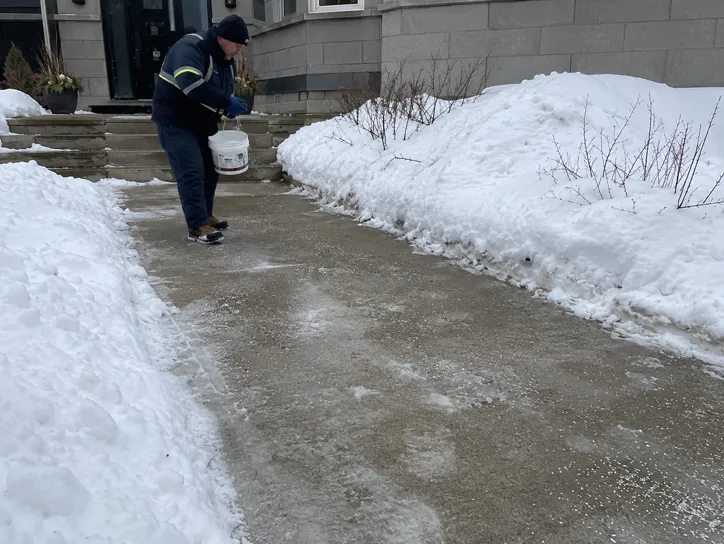
Snow Removals Ottawa – Your condo sits on private roads that the City does not plow at any accumulation, so the 7 cm residential trigger never helps you. We clear the internal roads, visitor parking, garage ramps, walkways and accessibility ramps, and every visit is logged in a form your board can actually use.

Free written quotes
24/7 storm monitoring
Serving all of Ottawa
Time-stamped service logs

Get your free snow removal quote

Tell us about the property and we will reply with a clear written price.

What can we help with?

So the right crew reviews your project.

No obligation. We reply within one business day.

517/06 Regulation covering common-area ice and snow
0 cm City plow trigger on a private condo road
60 days Notice window after a fall on your grounds
21 cm Mid-winter snowpack your grounds must hold

What condo snow removal in Ottawa has to cover

Private roads the City will never plow

The City's 7 cm trigger and its 10 to 16 hour window apply to City-maintained residential streets. A condo corporation's internal roads are private, so no accumulation figure applies to them at all and no plow is coming at any depth. Everything inside your entrance is on your contract, which means the trigger threshold you negotiate is the only trigger that exists on the property.

Garage ramps and the flash freeze at the bottom

A down-ramp collects meltwater running off the deck above and off vehicles leaving a heated garage, then delivers all of it to the coldest, shadiest, steepest point on the site. That is where flash freeze produces a sheet a driver cannot stop on and a resident cannot stand on. Ramps get treated on their own schedule, not as a leftover part of a general lot pass.

Visitor parking, fire routes and emergency access

Visitor stalls are the first place a plow operator wants to put snow and the last place a condo can afford to lose. Fire routes have to stay usable at full width all winter no matter how many storms have come through. Both belong in the storage plan before December, because by February there is no unallocated space left on a typical Ottawa condo site.

Walkways between buildings and accessibility ramps

Multi-building sites have connector paths no plow can reach, and residents use them in the dark, in indoor footwear, carrying things. Hand crews clear and treat those paths along with entrances, steps and landings. Accessibility ramps and their landings are treated first, because a graded surface with ice on it takes away the option of stopping or turning back.

Snow storage on a site with no room left

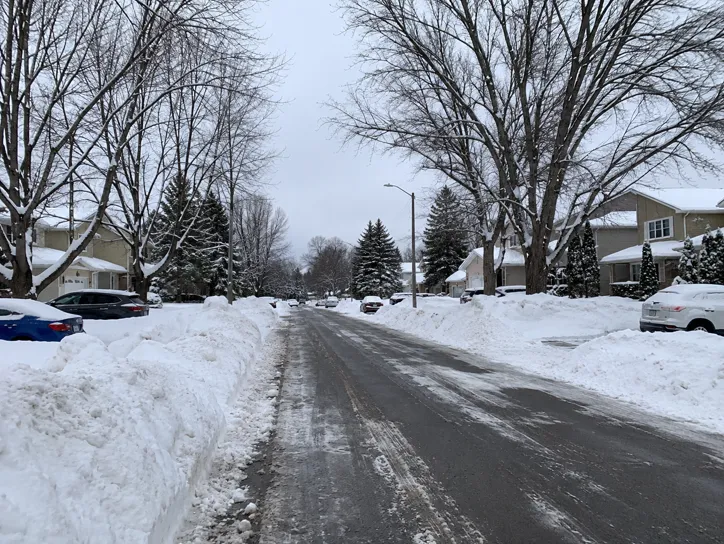
Ottawa's mid-winter snowpack averages 21 cm and February averages 14.2 days with 20 cm or more on the ground, so condo grounds fill up rather than drain. Landscape beds cannot absorb unlimited volume without killing the planting, and stacking against a building face invites meltwater into the foundation. We agree relocation triggers in advance and haul off site rather than let the piles decide your parking plan.

A service log the board can put in the minutes

Every visit records date, time in, time out, what was plowed, what was shovelled, what was salted and the conditions at the time. That record answers an owner's complaint at the annual meeting, supports the operating budget discussion, and is the document your insurer asks for when a claim arrives under the 60-day notice rule long after the storm has been forgotten.

Ontario regulation

Regulation 517/06 and common-area snow clearing at an Ottawa condo

Under Regulation 517/06 of the Residential Tenancies Act, a landlord must keep common areas free of unsafe accumulations of ice and snow. Shared walkways, entrances and parking are the landlord’s responsibility, and a lease clause pushing common-area clearing onto tenants is void, not merely awkward to enforce. Tenants can only be made responsible for areas used exclusively by them. Plenty of small landlords renting out condo units believe their lease has moved the obligation. It has not. For a condo corporation the same conclusion arrives by a different route: the Occupiers’ Liability Act puts the duty of reasonable care on whoever controls the premises, and the corporation controls the internal roads, the visitor lot, the connector walkways and the garage ramp. Whether the exposure sits with the corporation, the property manager or an individual unit owner, it does not disappear into a lease clause.
Commercial snow removal in Ottawa

Condo snow removal risks Ottawa boards underestimate

The bottom of the garage ramp

Warm cars, a shaded slope and run-off from the deck above make the ramp base the most reliable ice-forming surface anywhere on the property.

Nobody plows a private road

The City's residential trigger has no bearing on your internal roads. If your contract does not name a trigger, then nothing on the site names one.

Minutes are not a service record

A note that the lot was done is not evidence. Time-stamped entries per visit are what an insurer and a court will actually accept.

Board reporting

Turning a condo snow service log into a board document in Ottawa

A service log stops being paperwork the first time an owner stands up at a meeting and asks why the visitor lot was not touched on a particular Tuesday. With per-visit entries you answer with the time the crew arrived, what was cleared and what was applied, instead of with an impression. The same file does three other jobs. It gives the board a defensible basis for next season’s budget, because you can see how many events actually triggered service against Ottawa’s 52 days a year with measurable snowfall. It gives the property manager something to attach when a resident complaint escalates. And it is the file your insurer requests when a claim lands under the 60-day written notice rule, months after a storm nobody on the board can place. Ask for the log format before you sign, not after the first incident.

Snow removal in Ottawa
Our Process

How an Ottawa condo property gets set up for winter

1

Walk the site with the board or manager

Internal roads, visitor stalls, fire routes, ramps, entrances, connector walkways and every place snow can legally be stored get mapped before the season.

2

Separate triggers for roads, ramps and walkways

Internal roads, the garage ramp and pedestrian surfaces do not share one threshold. Each gets its own trigger and its own response window in writing.

3

Stake, clear and treat

Snow stakes protect curbs and beds, hand crews take the walkways and ramps, and the ramp base is treated on its own schedule through every freeze-thaw swing.

4

Log every visit and report to the board

Each visit is time-stamped and filed so the manager can report to owners and hand a complete record to the insurer on request.

Condo, apartment and multi-unit snow services in Ottawa

Talk to the crew about this property

Tell us the building count, the road length, the ramp count and the walkway network, and we will price each surface separately for your board.

Call (343) 326-3526

Condo snow removal in Ottawa – FAQs

Does the City plow the private roads inside our condo property?

No. City winter maintenance standards apply to City-maintained streets, where residential plowing triggers at 7 cm and finishes within 10 to 16 hours. Internal condo roads are private, so no trigger and no timeline applies to them at all. Whatever your contract says is the only service standard on the site, which is why the threshold and response window need to be explicit.

Can our lease or declaration make residents clear the shared walkways?

For residential tenancies, no. Regulation 517/06 under the Residential Tenancies Act requires the landlord to keep common areas free of unsafe ice and snow, and a clause pushing that duty onto tenants is void. Tenants can only be responsible for areas used exclusively by them, such as their own balcony. Common walkways, entrances and shared parking stay with the landlord.

Why does the bottom of our garage ramp keep icing over?

Because it collects meltwater from three sources at once: run-off from the deck above, snow carried in on vehicles, and melt from cars leaving a heated garage. That water reaches the coldest and shadiest point on the ramp and refreezes, often as a flash freeze once the sun goes down. Ramps need their own treatment schedule rather than being folded into a general lot pass.

Where can snow go on a condo site with no spare land?

Into agreed storage locations first, then off the property. Landscape beds take only so much before the planting dies, and stacking against a building pushes meltwater toward the foundation. We set a depth at which relocation begins, then load and haul to a snow disposal facility. Ottawa snow accumulates for months rather than melting between storms, so a haul-off trigger is not optional.

What should a condo board receive from a snow contractor each month?

A per-visit record: date, time in, time out, which surfaces were plowed, shovelled or salted, the product used and the conditions observed. That is what lets a manager answer an owner's question with a fact, supports the following season's operating budget, and satisfies an insurer requesting documentation for an incident reported months later. Ask to see the format before signing, not afterwards.

Get your Ottawa condo property under contract

Free site walk-through with the board or manager, and a written scope priced surface by surface.

Back to top