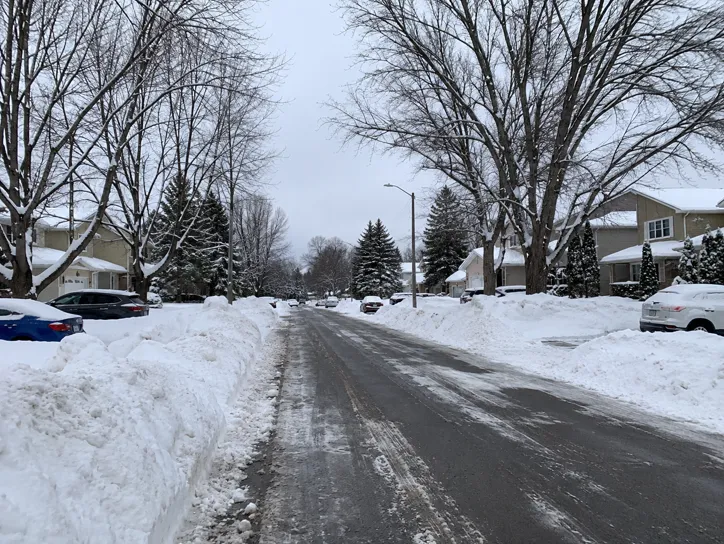
Winter routes fill early - free written quotes within one business day
West Carleton-March routes Village core and farm lanes Open-field drift passes Free written quotes

Snow Removal in Carp and the West Carleton-March Countryside

Snow Removals Ottawa – Carp is two clearing jobs sharing one postal code: tight older lots in the village core, and farm properties outside it whose laneways are measured in hundreds of metres. Both sit in the wind that comes off the open fields along the Carp Road corridor, and both are serviced on dedicated rural routes.

Free written quotes
24/7 storm monitoring
Serving all of Ottawa
Time-stamped service logs

Get your free snow removal quote

Tell us about the property and we will reply with a clear written price.

What can we help with?

So the right crew reviews your project.

No obligation. We reply within one business day.

$450 Rural Snow Go Assist seasonal cap set by the City
$250 Urban Snow Go Assist seasonal cap for comparison
7 cm Trigger before a residential road or lane is plowed
115 days Days a year with at least 1 cm on the ground

What Makes Snow Removal in Carp a Two-Sided Job

A village core with older, narrow frontages

The lots in the village itself predate suburban planning. Frontages are narrow, houses sit close to the road, driveways are short and often run beside the house rather than in front of it. There is far less room to put snow than the surrounding countryside would suggest, so pile placement in the core is planned in the fall rather than improvised in February.

Farm and country properties with laneways in the hundreds of metres

Step outside the village and the same route is servicing lanes that run several hundred metres off the road, past outbuildings, gates and paddock fencing. That is a volume of running surface no consumer machine absorbs. These properties get scoped by length, running width and turnaround room at the house end before an equipment decision is made.

Open field exposure that drifts snow straight across Carp Road

West of the village there is nothing upwind to break blowing snow. The corridor drifts in hard while sheltered village streets a kilometre away look fine, which is why the accumulation number on the forecast is a poor predictor out here. Exposed laneways get cut wider than they strictly need to be so the next drift has somewhere to land.

The Carp Ridge changes the grade and the ice

Properties on and around the ridge have real slope in their laneways. Grade plus a freeze-thaw cycle turns a cleared lane into a ramp overnight, and a clean plow does not solve that on its own. Sloped rural approaches get grit and de-icer planned into the contract rather than handled as an emergency call.

Wells, septic beds and ditch edges vanish under cover

By mid-winter the well head, the septic bed footprint, the culvert ends and the exact point where the shoulder drops into the ditch are all invisible. Markers and snow stakes go in while the ground is still bare, so an operator working at night in blowing snow follows a marked edge instead of a memory.

West Carleton-March

Why Carp Needs a Rural Snow Clearing Route, Not a Suburban One

Carp sits in West Carleton-March, one of Ottawa’s rural wards, and the difference from a suburban ward is not sentimental. It is measurable in wind. The village has a compact historic core, but the properties around it face open field on two or three sides, and the ground between the Carp Road corridor and the ridge offers almost nothing to break blowing snow. That is why work here is planned around exposure and drift direction rather than snowfall totals: which stretch of a lane sits broadside to the wind, where the treeline ends, where the crest is and which side the drift always builds on. It is also why route capacity for Carp is reserved rather than borrowed from a suburban run. A lane that drifts shut eight hours after it was cleared still has to be answered, and that only works if the capacity was set aside in advance.
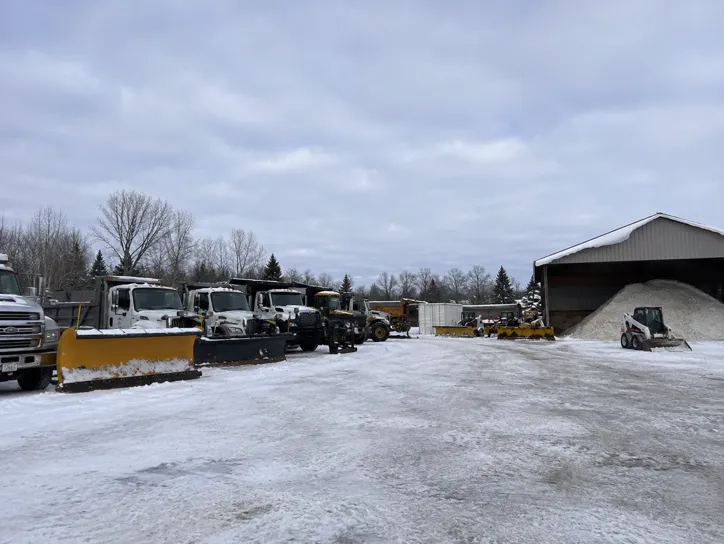
every Ottawa area we run snow routes in

How Carp Properties Are Cleared Through an Ottawa Winter

Reserved rural route capacity

Carp addresses sit on a dedicated seasonal route with capacity held back for drift-ins, not squeezed onto the end of a suburban run.

Farm layouts respected

Gates, outbuildings, paddock access and turning room get noted at scoping so the lane is cleared without blocking the working part of the property.

Markers before the first snow

Snow stakes flag ditch edges, culvert ends, the well head and the septic bed while they can all still be seen.

The City's own evidence

Rural Clearing Around Carp Costs More and the City Agrees

You do not have to take a contractor’s word for it that a Carp laneway is a bigger job than a suburban double driveway. Under Snow Go Assist, the City covers up to half the cost per event to a seasonal maximum of $250 in the urban area, and up to $450 for rural properties where costs are excessive. The City of Ottawa and its community support agencies administer the program, verify income and determine eligibility, and we are not affiliated with either of them and cannot guarantee approval. But the gap between those two caps is the City putting its own number on the difference. The other half of the rural reality is priority order: arterials clear from the start of accumulation, while residential roads and lanes wait for 7 cm and then a 10 to 16 hour window.

Snow removal across Ottawa
Our Process

Setting Up a Carp Property for the Snow Season

1

Scope the lane and the village lot separately

Village frontages get measured for stacking room; country lanes get measured for length, running width and turnaround.

2

Mark the buried hazards

Ditch edges, culverts, the well head and the septic bed footprint are staked while the ground is still visible.

3

Plan for the exposed stretches

Sections facing open field get cut wider than needed so drifting snow lands off the running surface.

4

Add grit where the grade demands it

Sloped approaches on and around the Carp Ridge get de-icer and grit built into the seasonal scope.

Rural and Village Snow Services Around Carp

Talk to the crew about this property

Call with your laneway length and which side the drift always builds on, and we will scope a Carp route slot for it.

Call (343) 326-3526

Carp Snow Removal FAQs

Do you handle both the Carp village core and the farm properties around it?

Yes, and they are quoted as different jobs because they are. A village frontage is a short driveway with a real shortage of stacking room, and the problem is where the snow ends up over a four-month season. A country property outside the village is a long running surface with open exposure, and the problem is drift and turnaround room. The same route covers both.

Why does Carp Road drift shut when the village streets look clear?

Because the wind, not the snowfall, is doing the work. The village core has houses, hedges and mature trees breaking the wind; the corridor west of it has open field with nothing upwind at all. Blowing snow scours one stretch and unloads it on the lee side of the next, so an exposed road or lane can drift in with no new snow falling.

My laneway runs up the Carp Ridge and ices over. What do you do about that?

Sloped rural approaches get ice control written into the seasonal scope rather than treated as an emergency call. A clean plow on a graded lane still leaves a surface that glazes over the next time it goes through a freeze-thaw cycle. Grit gives traction that does not depend on temperature, and de-icer is applied where the surface and the cold allow it to work.

Can you clear around barns, gates and paddock access on a Carp hobby farm?

Yes, but it needs to be walked before winter. We note which gates have to stay usable, where a truck can and cannot turn, where cleared snow can be stacked without burying a propane tank or a hydro pedestal, and which outbuilding approaches matter daily as opposed to occasionally. That layout goes on the route sheet so the operator is not deciding it at three in the morning.

Book Snow Removal in Carp

Reserve a West Carleton-March route slot for your village lot or farm laneway before the season fills.

Back to top